Self-Care Preparedness
Learn how to be resilient before, during, and after life’s challenges.

The Art of Resilience
Becoming more resilient is an art,
and it improves with practice over time.
The more resilient you become, the better
you will be at adapting to life's challenges.
Self-care is giving time and attention to your
personal needs, and is an important part
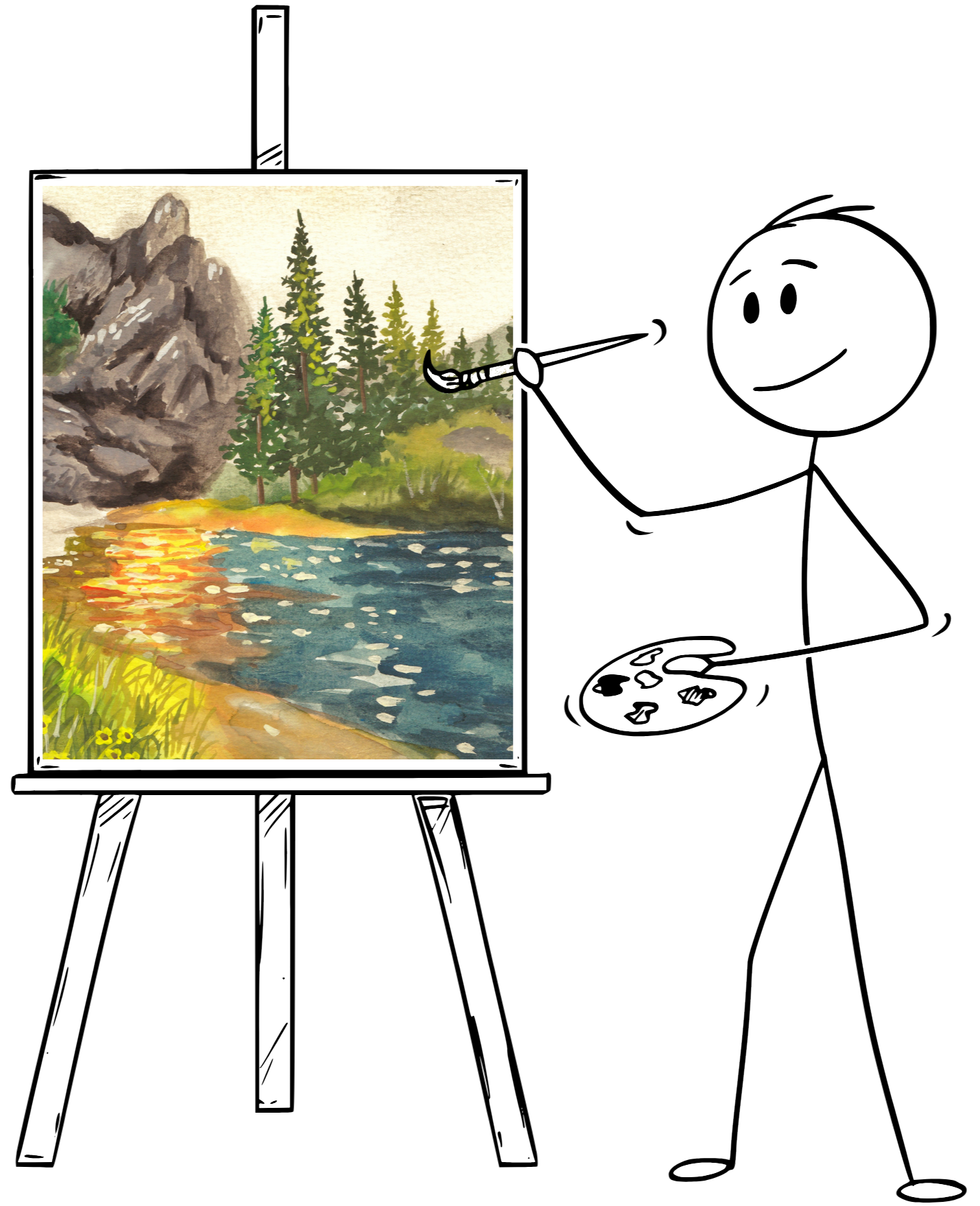
of resilience. Like an artist uses different
materials, colors, and supplies to create artwork,
using a variety of self-care strategies helps you
create a self-care or resilience plan
that works for you.
When we improve our personal skills and
create a plan, we also build overall resilience
in our community. Having a plan helps individuals
and communities recover after challenges,
emergencies, or crises (events that can
overwhelm our natural ability to cope).
Self-Care Basics
Self-care is giving time and attention to your personal needs, and is an important part of
resilience. The more resilient you become, the better you will be at adapting to life’s challenges.
Questions to Ask Yourself:
- Do I get 7-9 hours of sleep each night?
- Am I fueling my body with water and balanced meals?
- Am I moving my body regularly?
- Am I aware of my emotions and how I handle them?
- Do I feel supported and connected to others?
- Do I notice the good things around me?
- Do my money habits reflect my values?
Sleep is our daily reset that allows our bodies to repair and relax. Try these tips to help you get quality sleep.
Consistency
Go to bed and wake up at the same time every day. Get sunlight in the morning to regulate your internal clock.
Sleep sanctuary
Sleep on a comfortable bed in a dark room with a cool temperature (60-68 degrees). Keep phones and other devices out of your bedroom.
Disruptors
Finish heavy meals, nicotine, and alcohol at least 3 hours before bedtime. Avoid caffeine at least 8 hours before going to bed.
Relax and unwind
End screen time at least 30 minutes before bed. Try activities that help you relax: stretching, a warm bath or shower, journaling, reading, calm scents and sounds.
Resources
- What is working with your current sleep routine?
- How many hours of sleep do you get per night?
- What would you like your sleep routine to look like?
What you eat can support your mental health. Choosing mood-boosting foods like berries, whole grains and fattty fish can enhance focus, joy, and resilience.
Mindful eating
Practice checking in with your body and notice hunger cue sensations. Slow down, savor food without distractions, and enjoy the smells, flavors, colors, and
textures of food. Eat until you are satisfied.
Food and mood
Track your food and drink intake along with how you feel before, during, and after eating and drinking to look for possible connections.
Areas to focus on
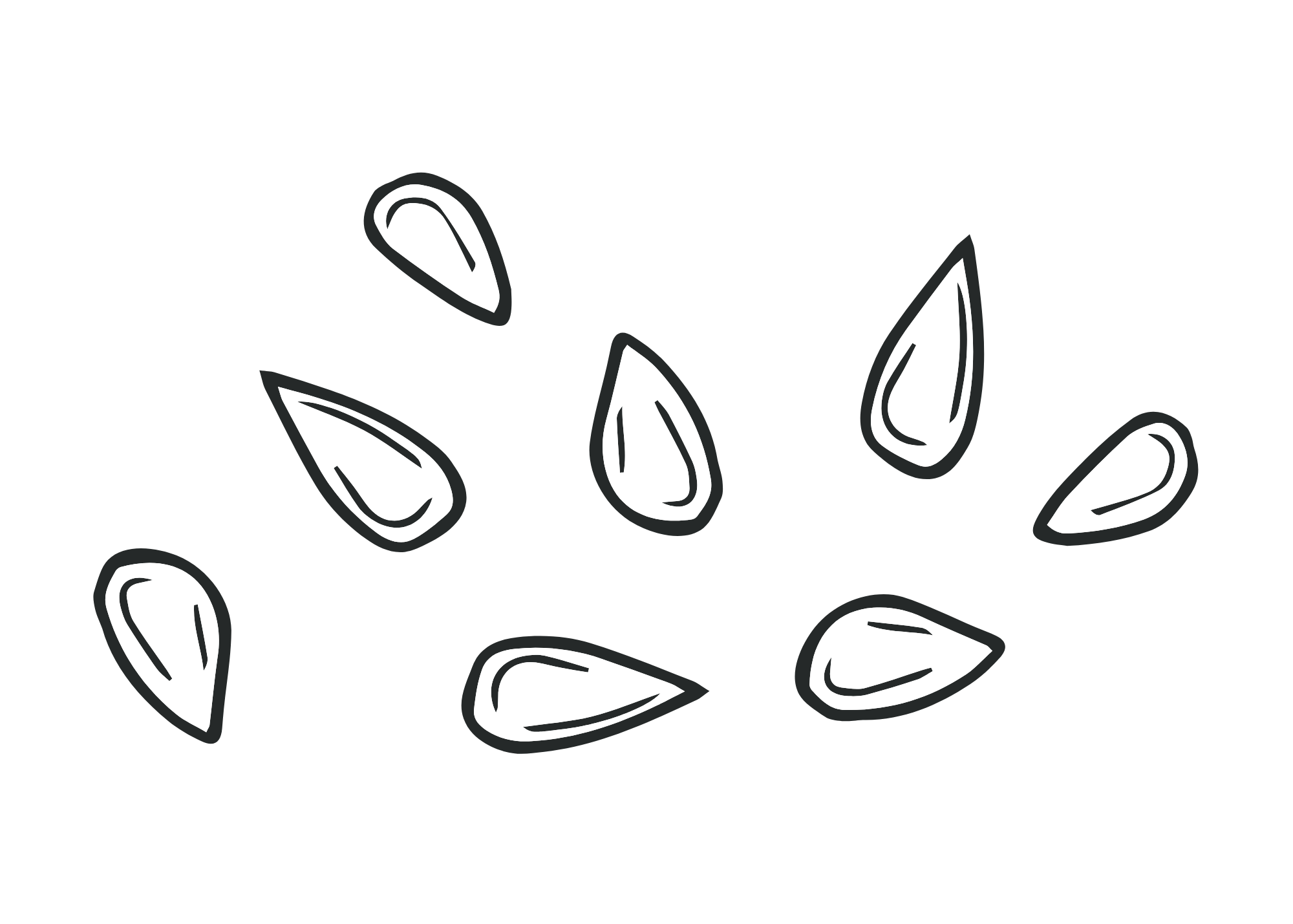
nuts and seeds
brain & gut health, nervous system
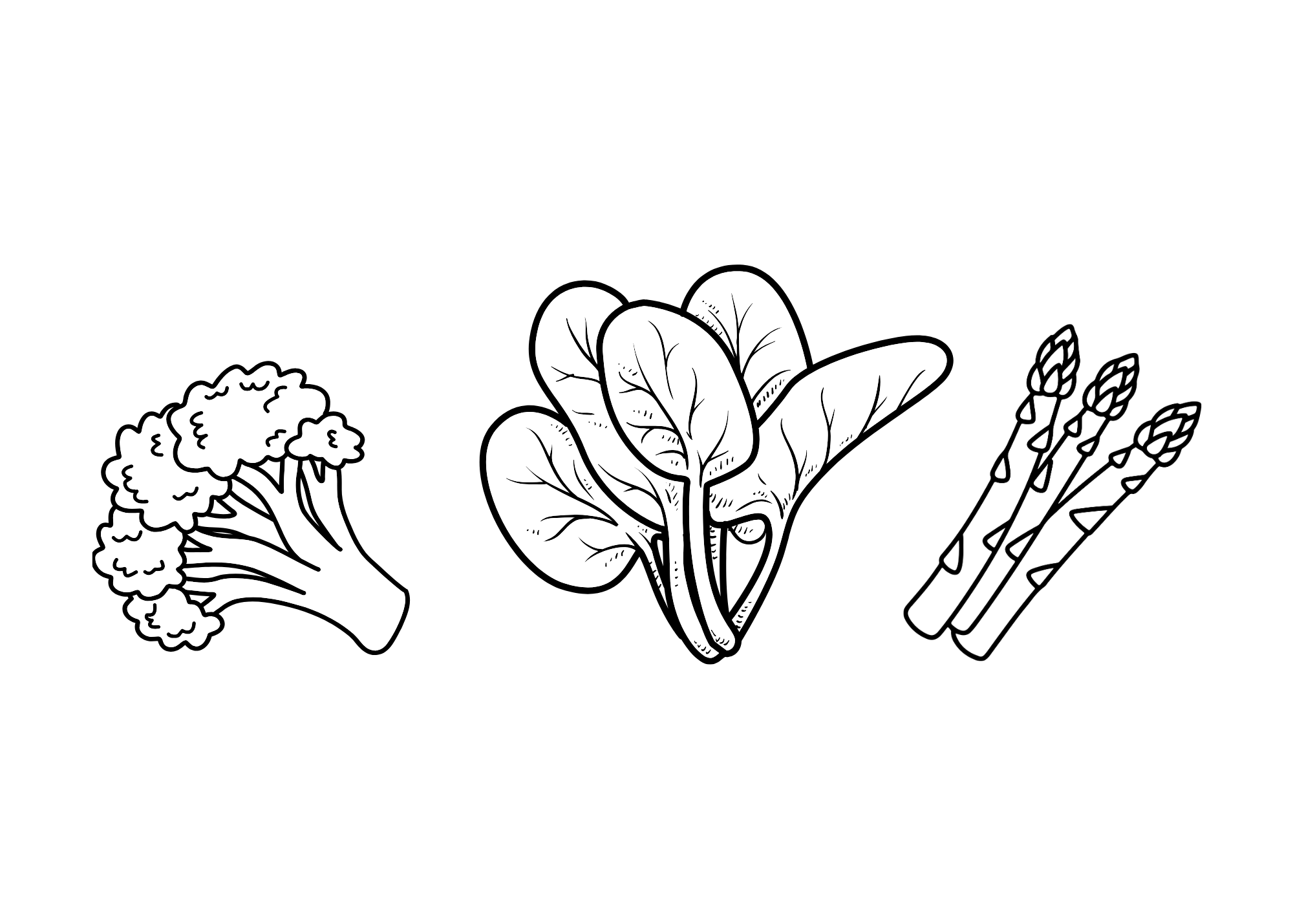
leafy greens
gut health, feel-good hormones

berries
brain & gut health, disease-fighting
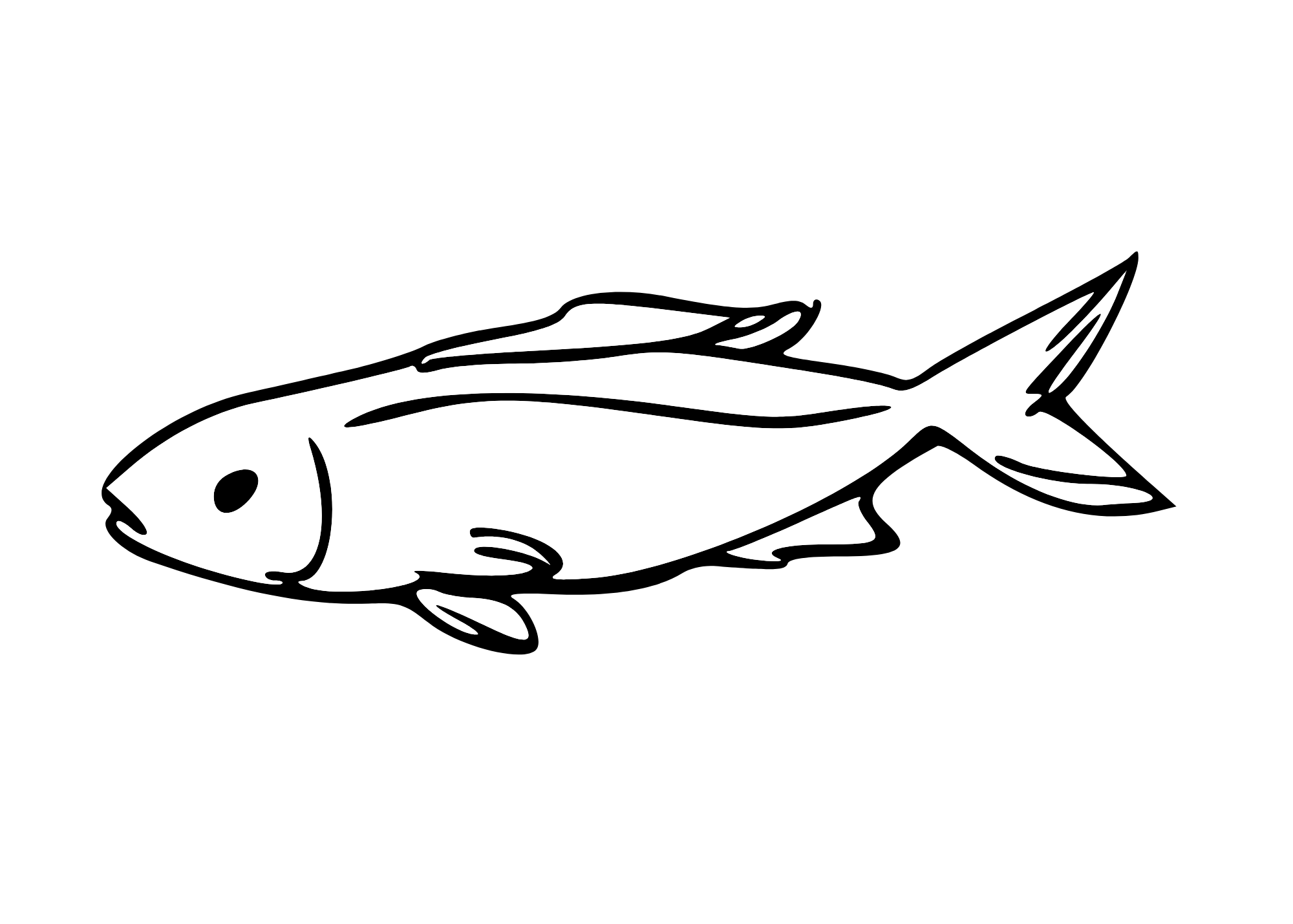
fatty fish
brain health & nervous system
water
hydration, focus, stress response
reduce inflammation
limit processed foods, saturated fats, sugars, & additives
Resources
- Women, Infants, and Children Program
- Utah State University Extension Nutrition Education
- Mindful Eating
- Supplemental Nutrition Assistance Program (SNAP)
- Do you stay hydrated throughout the day?
- Do you fuel your body with balanced meals including a variety of whole foods?
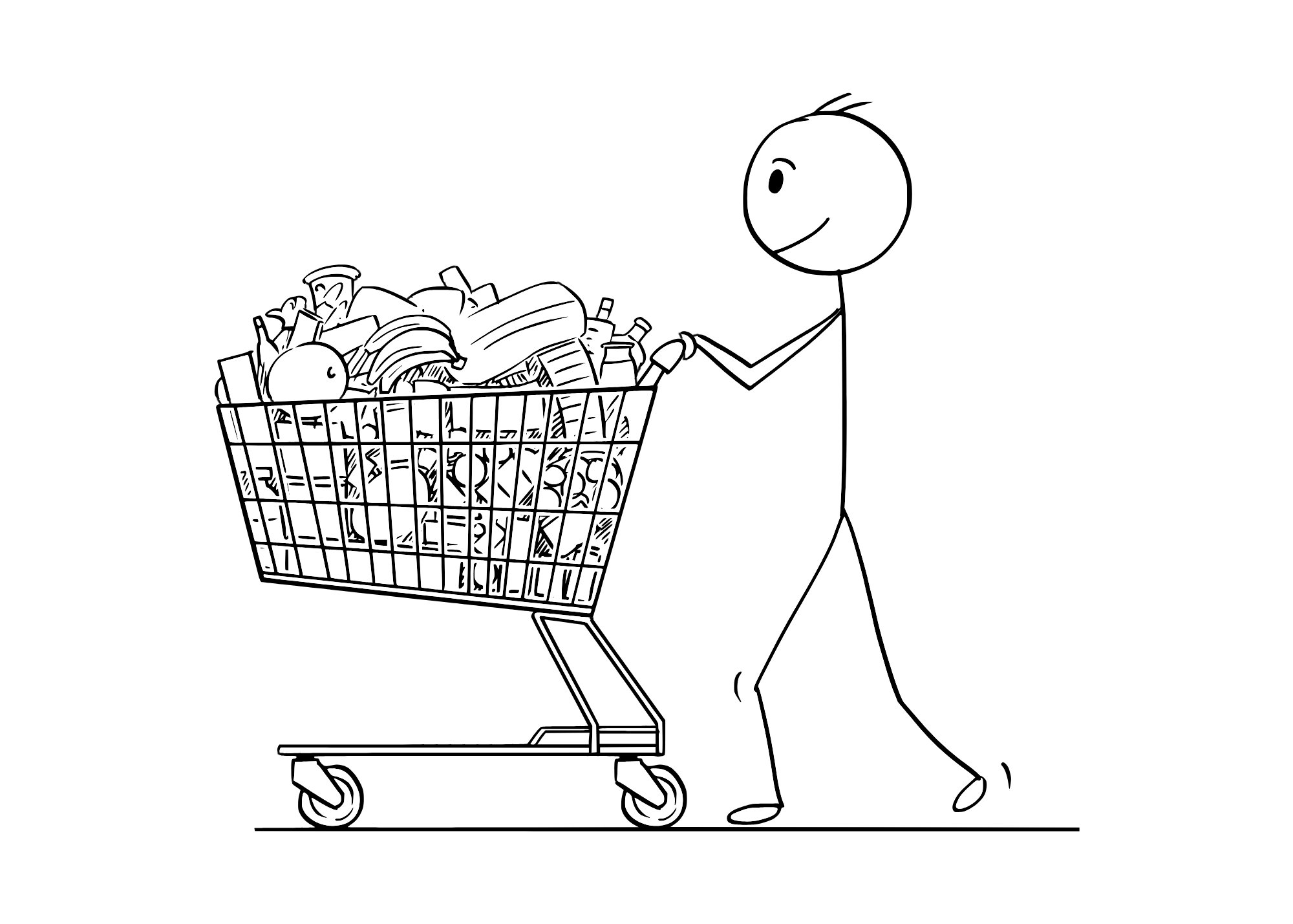
Grab an extra package of your regular
meal staples while grocery shopping to
build a supply of food in case of an
emergency such as a job loss or disaster.
Moving your body regularly can help you prevent illness, enhance sleep, reduce stress, improve focus, manage cravings, and boost happiness.
No gym needed
You don’t have to go to the gym to be active. Walking, dancing, playing, cleaning, stretching, gardening, and moving during screentime all provide health benefits.
Stay active
Some tips to keep you moving include scheduling it on your calendar, finding a workout buddy, removing obstacles, keeping track of your progress, and rewarding yourself.
Go outside
Time spent in nature and the sun can reduce stress, improve mood, strengthen the immune system, enhance brain function, and help you sleep better.
Resources
- What are some activities you enjoy that get you moving?
- What time of day works best to get some movement?
- How can you build movement into habits you already do each day?
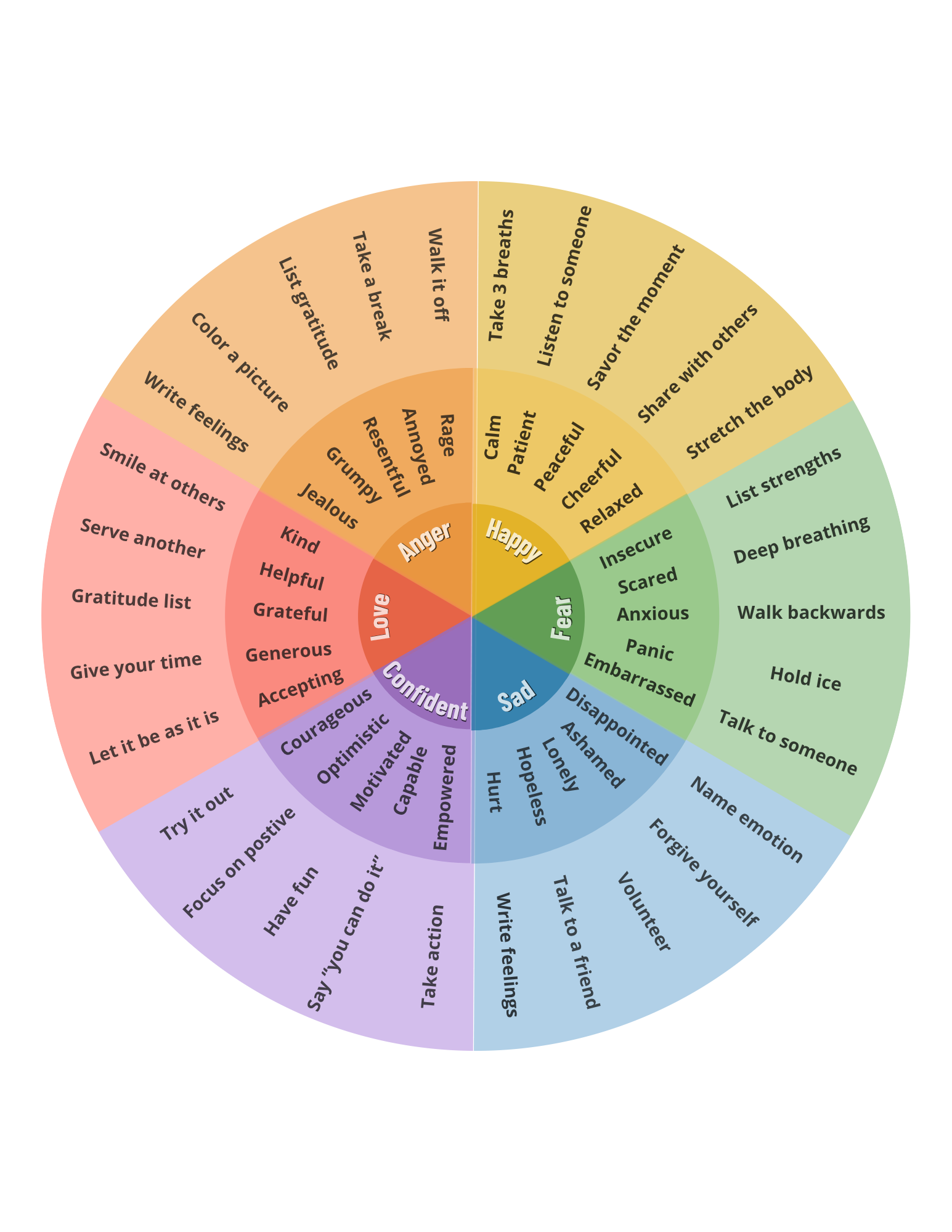
Every day we feel lots of different emotions. Noticing and naming them with kindness can help you feel calmer, express your needs, and seek support when you need it. The emotion wheel in the Healthy Coping section can help you identify and process how you feel.
Mindfulness
Mindfulness is paying attention without judgment to what is happening right now, what you’re thinking, feeling, and sensing in your body. When you pay attention without being hard on yourself, you can make better choices and take care of yourself.
Mindful pause practice (STOP)
- Stop and be still. Close your eyes if you’d like.
- Take a breath. Gently feel the presence of the breath in your body. How does it feel to inhale and exhale?
- Observe thoughts, emotions, and physical sensations in your body. Notice if things feel pleasant, unpleasant or neutral.
- Proceed with care by asking yourself “what do I need right now?”
Resources
- Davis Mindfulness Center
- Davis County Behavioral Health Directory
- USU Extension Mental Health Resources
- Guided Meditation Practices
- Mindfulness Toolkit Tip Sheets and Audio Lessons
- What signals does your body give you when you feel stressed?
- How can you practice mindfulness in daily life?
Connection is the feeling of being seen, heard, and supported. It is essential for emotional and mental health, as well as overall resilience. Consider these different types of connections.
Connection to yourself
The relationship you have with yourself takes time to build. Be loving and patient.
Connection to others
Strong social connections provide a sense of belonging, reduce feelings of isolation, offer support during challenging times, and can act as a buffer against stress, anxiety, and depression.
Connection to something bigger than yourself
Finding meaning through service, work, creativity, or spiritual practices can enhance life’s purpose.
Connection to expert help & resources
Sometimes we need help from outside our circle, and that’s ok! Seek professional support when feeling overwhelmed.
Resources
- Davis County Healthy Relationship Resources
- Healthy Relationships Utah
- Hidden Gems, Guides to Improve Connection
- Recipes for Connection
- What supportive relationships do you have in your life?
- What relationships would you like to develop?
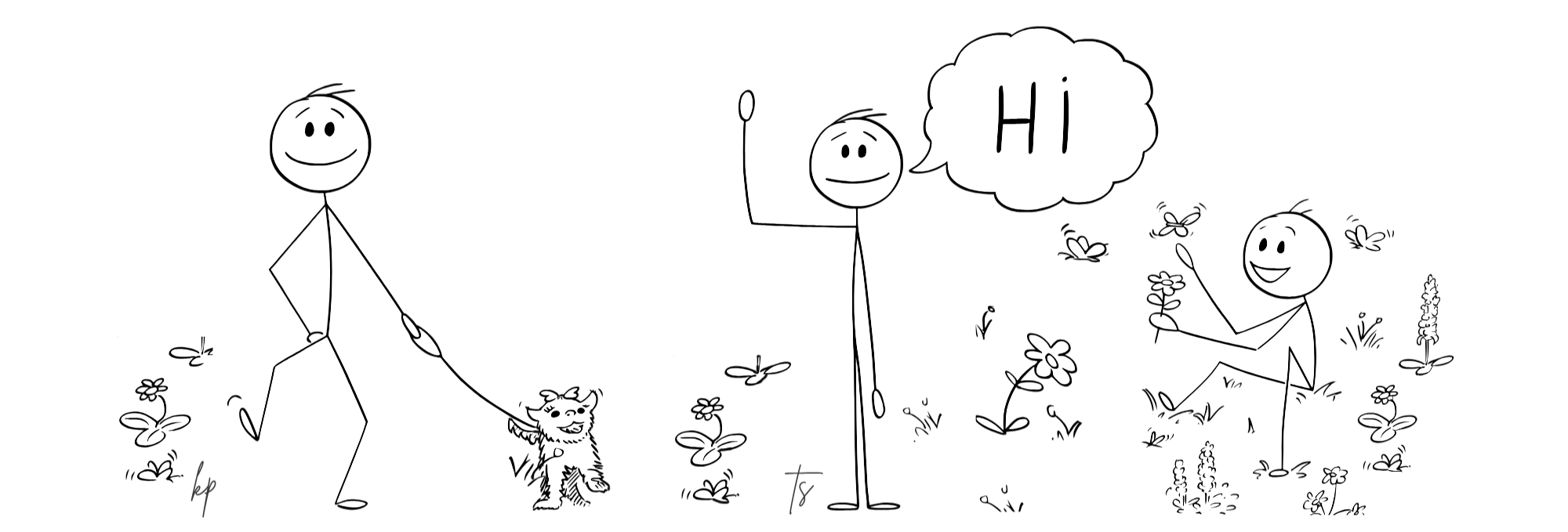
Positivity is the practice of seeking out the good around you, even in tough times. This mindset can lead to better energy, lower stress, and stronger resilience. Here are some simple ways to bring more positivity into your life.
Technology awareness
Be intentional about your media use. Consider taking a break from media the first and last hour of each day or try going a few days without social media.
Laugh it up and get creative
Make time for laughter and creativity! Laughing reduces pain and anxiety, improves heart and lung health, and relaxes muscles. Getting creative with a hobby or project you enjoy helps you unwind and boosts your mood, confidence, and problem-solving skills.
Expressing gratitude
Writing down what you are thankful for each day and expressing appreciation trains your brain to notice and value the good things in life.
Look for glimmers
These are happy-making moments that bring joy! Reflecting on these moments helps us feel safe and calm. Glimmers could include things like cuddling a pet, the sound of rain, watching a sunset, a favorite sound or smell, or a warm blanket on a cold day.
Resources
- National Institute For Play
- Safe Technology Resources
- Self-Compassion Institute
- The Science of Well-Being
- What are you grateful for?
- How can you express gratitude in your daily life?
- What will help you notice and appreciate daily glimmers?
When you experience financial problems, it can cause stress, depression, or anxiety and affect your health.
Review habits and money beliefs
The money lessons we learn as kids shape how we handle finances as adults. These early experiences can create lasting money habits. You can keep the helpful lessons and make other changes for the better.
Money management tips
- Write down what you bring in and what you spend
- Set up an automatic transfer to a savings account each time you’re paid
- Instead of using a credit card, use a set amount of cash for fun money: when it’s gone, it’s gone
- Watch out for scams, if an offer seems too good to be true, it probably is
- Talk to an expert to prepare for your medical and financial future
Reduce debt
Maintain debt payments and try to pay extra on the one charging the highest interest. There are multiple online tools to help you organize, optimize, and
track your payoff timeline. Find some free tools in the resource section.
Manage overspending
To reduce overspending, try tracking impulse purchases to identify a cause, such as late-night scrolling or stress. Break the habit by unsubscribing from sales emails or removing saved credit card information from apps.
Resources
- Open Doors Self-Sufficiency Program
- PowerPay.org - Free Debt Reduction Calculator
- USU Extension Financial Wellness
- What is going well with your finances?
- What could be improved?
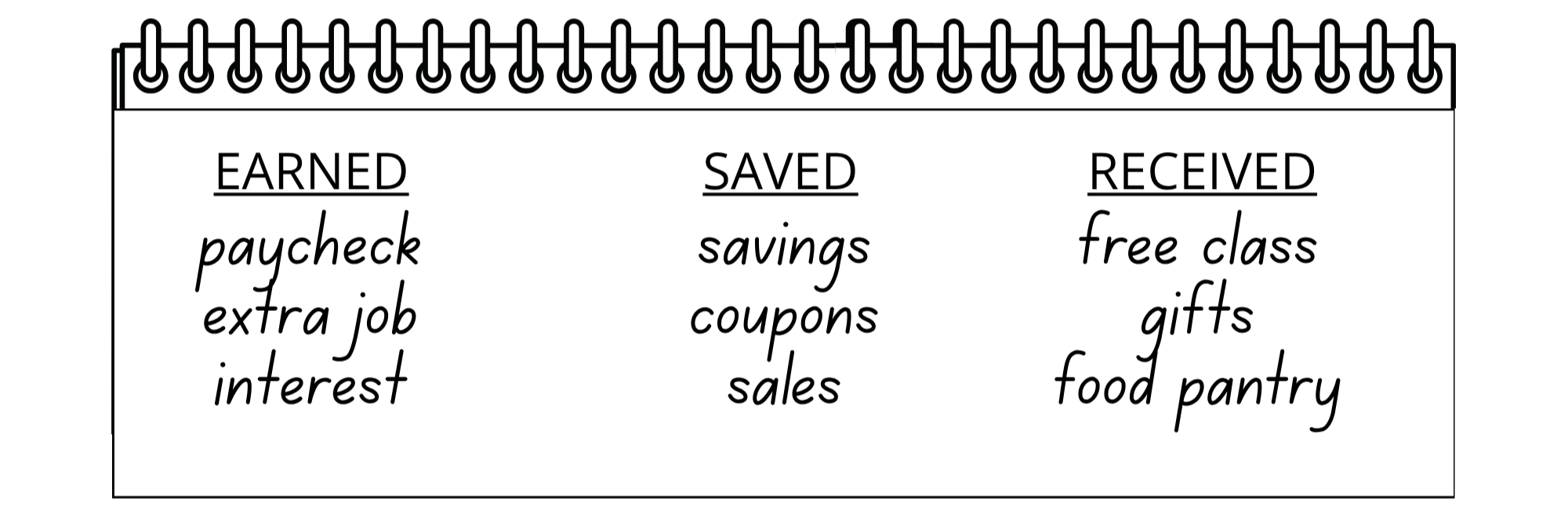
Keeping track of how you manage your finances is important, but have you tried tracking the different kinds of support and income that come your way? Jot down all the different types of income you receive each day to reflect on what you have, instead of what you don't.
Healthy Coping
Life's challenges can disrupt our daily routines, especially during emergencies, big events, or crises.
Questions to Ask Yourself:
- How do I typically cope with life's demands?
- How am I coping with life's demands now?
- What are my warning signs that a challenge or crisis may be developing?
Identifying Emotions
Noticing and naming your emotions with kindness can help you feel calmer, express your needs, and seek support when you need it. The emotion wheel can help you identify and process how you feel.
- Start in the center of the wheel: Choose a word that describes how you feel right now.
- Move outward: Find a more specific word to pinpoint the feeling.
- Try the recommended action to help you process this feeling.
Supportive Coping Behaviors
We all cope in different ways, and each way makes sense as a way to get through a hard moment. Some habits support us over time, and others can wear us down, even when they help in the short term. Noticing your patterns without judgement can lead to more supportive coping, such as:
- Consistently meeting your needs for sleep, nutrition, and health
- Reaching out - finding ways to connect, even if it is from a distance
- Expressing feelings through journaling or talking
- Doing activities that bring joy or achievement like exercising, gardening, or listening to music
- Using compassionate self-talk - “It’s okay to rest”
- Focusing on what you can control, such as what you can do about your feelings

When to Ask for Help
Everyone needs help sometimes! It may be time to ask for help if you are experiencing
the following consistently for more than 2 weeks.
- Persistent negative emotions like sadness, anxiety, or hopelessness
- Significant changes in sleep or eating habits
- Withdrawing from friends or loved ones
- Difficulty coping with daily life
- Increased substance use
- Thoughts of harming yourself or others
You can talk to a trained counselor at any time for free by calling or texting 988. Don’t be afraid to
just check in if you are worried, need to talk to someone, or need help.
Coping Tools
There are many coping tools that can help you relax, de-stress, and focus on the present moment. A few helpful options are shown below.
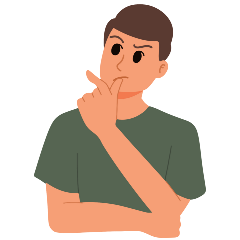
Mindful Pause
Allows you to respond to challenges with greater clarity and skill rather than immediately reacting
Pause and take a breath. Then ask yourself:
How am I feeling? (happy, mad, sad, scared)
Where do I feel this emotion in my body? (butterflies in my stomach, heart beating fast)
What do I need to do to take good care of myself? (mindful breathing, a snack, take a walk, journal)
How am I feeling now? (relaxed, calm, brave)
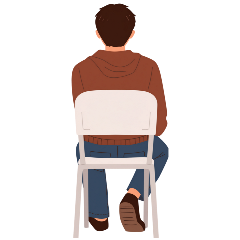
Rocking Side to Side
Helps the nervous system find balance
Rock side to side in your seat gently and slowly. The rhythmic swaying side to side in your seat or on your feet, or going for a walk sends “all is well” calming signals to the brain.
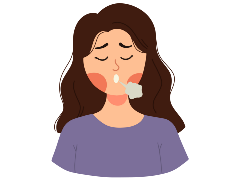
Cyclic Sighing
Reduces anxiety and improves mood
To perform a cyclic sigh, inhale through your nose, almost filling your lungs. Next, make a shorter, deep inhale, fully expanding your lungs. Now, exhale slowly through your mouth. Repeat several times for about 5 minutes.
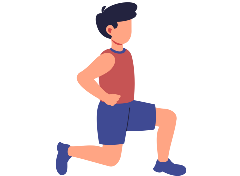
Get Active
Releases serotonin, dopamine, and endorphins that can quickly boost your mood, energize you, and relieve anxiety
Short bursts of activity can relieve tension in the moment. Go for a walk, do a few jumping jacks, yoga poses, dance, or play with a pet.
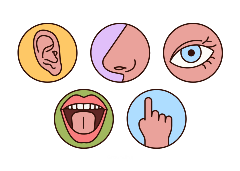
Grounding
Turns your attention from your thoughts to the present moment, using your 5 senses
Start with breathing in and out slowly and deeply. Then, name:
5 things you can see
4 things you can feel
3 things you can hear
2 things you can smell
1 thing you can taste
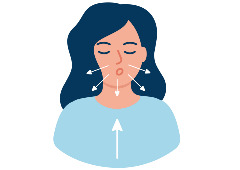
Breathing Exercises
Reduces feelings of panic, stress, and physical tension
Breathe in slowly through your nose for 3 seconds while saying to yourself, “my body is filling with calm.” Exhale slowly through your mouth for 3 seconds while saying to yourself, “my body is releasing tension.” Repeat 5 times.

Rose, Thorn, Bud
Helps claim your victories but acknowledge the suffering while identifying hope
Name something good (rose), a challenge (thorn), and something you are looking forward to (bud). May be done at the end of each day, or as needed.
Other Common Coping Tools
- Deep breathing
- Stretching
- Meditation
- Exercising
- Singing
- Dancing
- Reading
- Going for a walk
- Relaxing outside
- Listening to music
- Playing with a pet
- Taking a shower or bath
- Engaging in a hobby
- Socializing
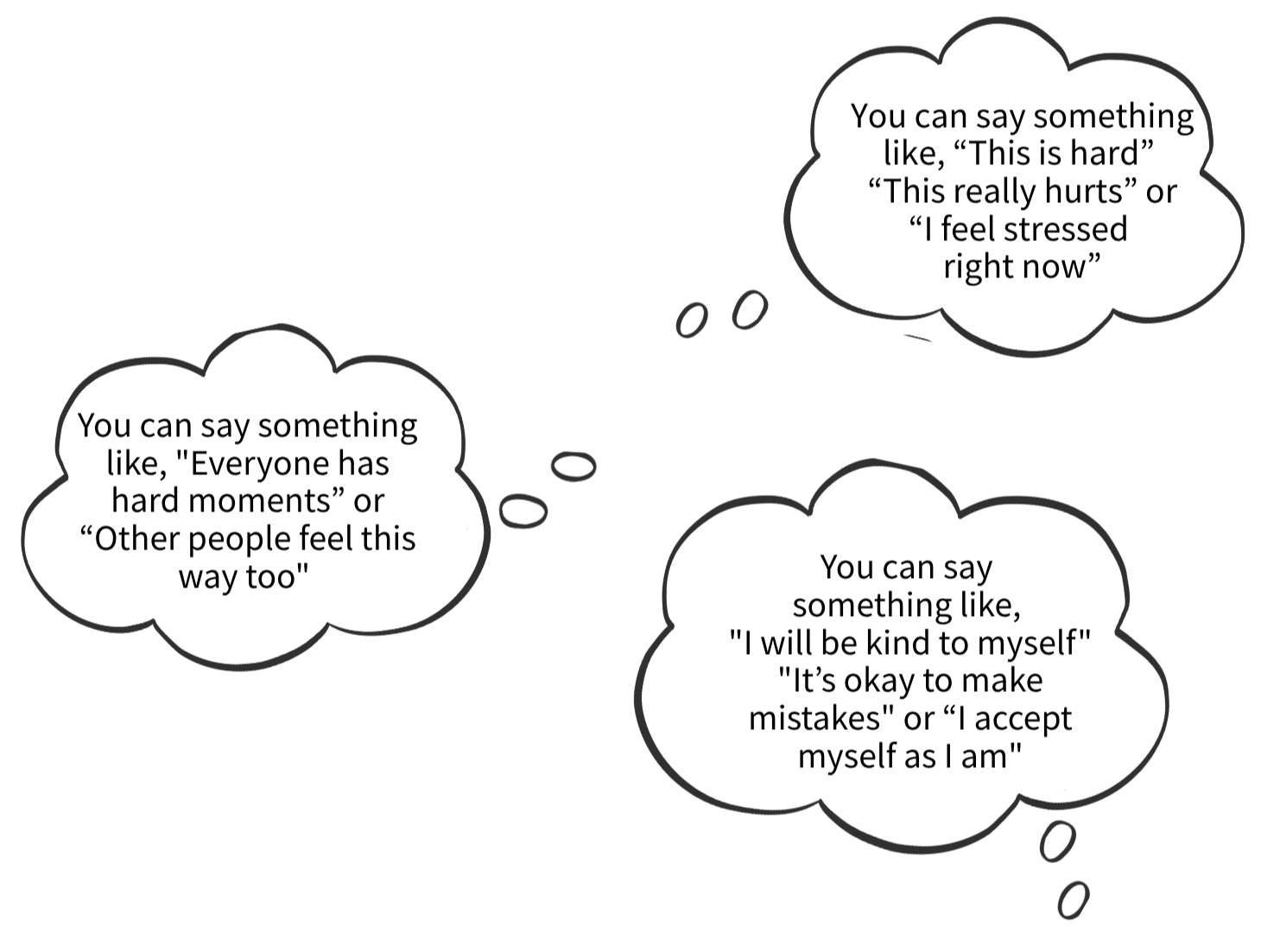
Self-Compassion
Self‑compassion means being kind to yourself, especially when things are hard. When you make a mistake or feel upset, pause and notice how you feel. Remind yourself that everyone struggles sometimes, and it’s okay to not be perfect. Talk to yourself in a gentle, caring way, just like you would to a friend.
3-step self-compassion break
When facing a stressful moment, pause and take three deep breaths and go through
these steps:
- Acknowledge when something feels hard or difficult, without letting it take over.
- Remind yourself that you are not alone.
- Put a hand on your heart or do another action that feels comforting to you.
Helping Others
Emotional distress can be caused by events perceived as overwhelming, harmful, or life-threatening. It is important to know the basics of what could be experienced emotionally during and after a crisis. Some causes could include:
- major life change (job, family, home)
- personal or family losses
- injury or death of neighbors and friends
- not feeling safe and secure
- natural disasters or emergencies
- hearing about a distressing event second-
hand or through the media
Signs of Emotional Distress
- Loss of appetite
- Headaches, chest pain
- Diarrhea, stomach pain
- Blaming self or others
- Fatigue, low energy
- Feeling numb
- Feeling overwhelmed
- Problems with focus
- Problems with memory
- Denial
- Mood swings
- Feeling helpless
- Hyperactivity
- Nightmares
- Inability to sleep
- Fear of recurrence
- Sadness, depression
- Isolation
People experience life's challenges differently. What may be distressing for one person may not affect another. The following tips can guide you in offering practical help and connecting people with needed support and resources. As you help others, remember to take care of your own needs and well-being.
- Compassionately reach out to offer help
- Ensure that you and others are physically safe
- Only relay current, accurate information and provide practical resources
- Encourage connection to others and gently support those who have lost loved ones
- Listen if they want to talk, but don’t force them - follow their lead
- Avoid negative reminders of the event, including through media
- Remain calm and stay close by to let them know you are available
- Remember intense emotions and reactions are normal
- Help orient them to the surroundings if needed
- Suggest calming activities such as a walk, deep breaths, or a hug
- What is currently known about the event
- What is being done to assist them
- Services available
- Post-disaster reactions and how to manage them
- Self-care, family care, and coping
- Ask what they need
- Offer support (first aid, blanket, food, water)
- Make a plan to address needs
- Connect to family, friends, teachers, pets, or clergy
- Make direct contacts by walking with, calling, or setting up a meeting with the needed services
- Share local contacts for future services
Well-connected communities are more resilient and respond and recover better in crises. Talk with your neighbors to find out how you can help each other.
- Visit beready.utah.gov to prepare your household for emergencies or disasters
- Sign up for local emergency alert notifications through Davis County Emergency Management
- Find out if any neighbors have specialized equipment, expertise, or specific needs (i.e. elderly, disability)
- Make a backup plan for children and pets in case you can't get home in an emergency
Remember, during an emergency:
- Take care of yourself and family first
- Make sure your home environment is safe
- Gather with neighbors to help each other
- Check local emergency alerts for resources
The following resources can help you and others better connect with local programs and services to prepare for and respond to emergencies:
- Be Ready Utah Disaster Psychology
- Davis County Emergency Management
- Davis County Grief and Loss Resources
- Davis County Health Department Emergency Preparedness
- Davis Links
- Disaster Distress Helpline 1-800-985-5990
- Intermountain Health: Credible Mind Resources
- Mental Health America Screening Tool
- Psychological First Aid
- Ready.gov: Coping With Disaster
“Everyone goes through tough times in life.
But many things can help you survive—and
even thrive—during stressful periods.
There’s no one-size-fits-all approach.
Learning healthy ways to cope and how to
draw from resources in your community
can help you build resilience.”
National Institutes of Health

Plans
Click on the images below to download PDFs of the toolkit and plans. Use the information from the Self-Care Preparedness Toolkit to create two different plans that are unique to you and your needs. 1) My Self-Care Plan, an everyday plan to strengthen resilience skills and maintain or improve overall well-being, and 2) My Emergency Self-Care Plan, a plan to keep somewhere easy to reach for help during and after life's challenges, emergencies, or crises. Fill it out now before you need it.
Self-Care Preparedness Toolkit
.png?sfvrsn=3118cf53_1 "Self-care toolkit")
self-care toolkit
resilience before, during,
and after life’s challenges

Create My Self-Care Plan
.png?sfvrsn=2d18cf53_1 "Create your self-care plan")
self-care toolkit
resilience before, during,
and after life’s challenges
Create My Emergency Self-Care Plan
elf-care toolkit
resilience before, during,
and after life’s challenges
Contact Us
These messages are not monitored 24/7. Need help right now? Call or text 988.
For questions, feedback, or to suggest additional resources, send us a message and we'll get back to you.